pierres préc
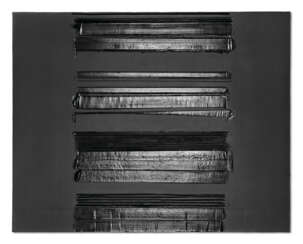

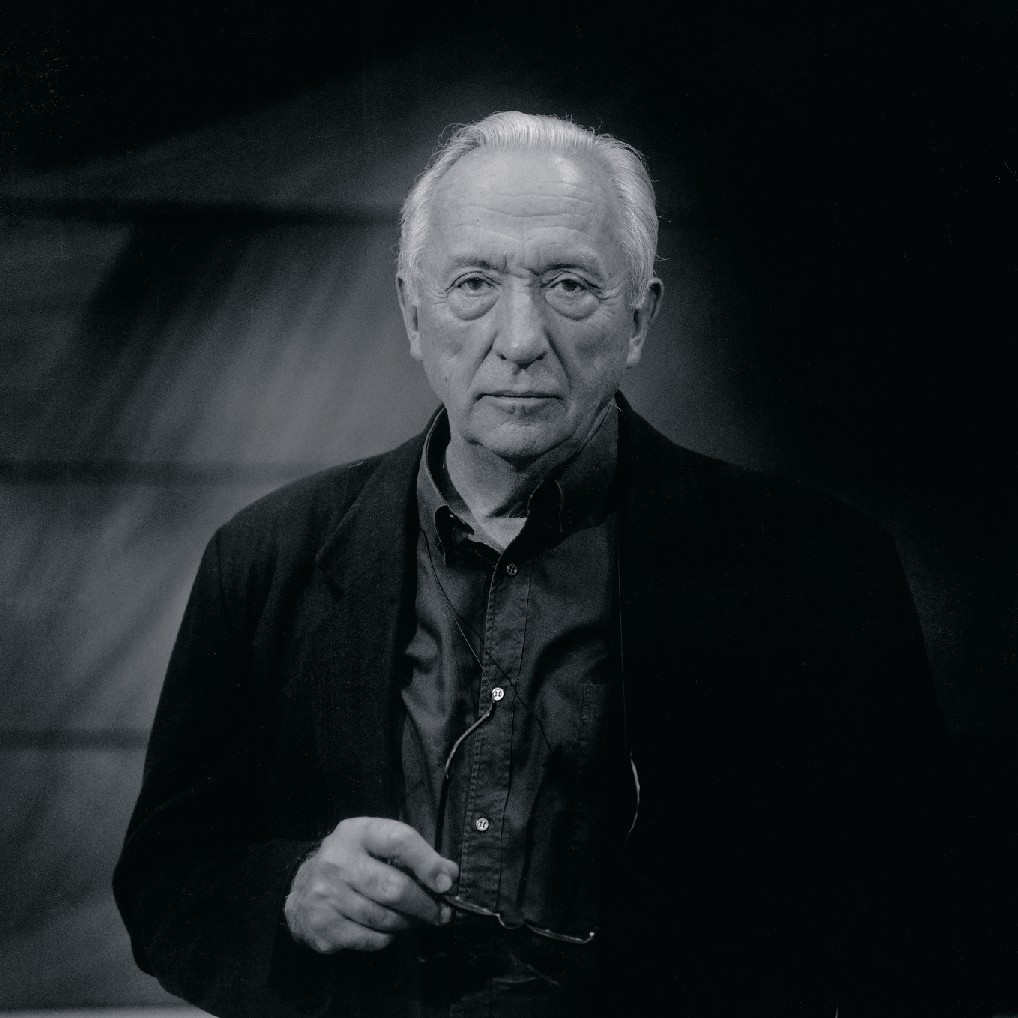
Pierre Soulages was a French painter, printmaker, and sculptor. In 2014, François Hollande described him as "the world's greatest living artist."
Soulages is known as "the painter of black," owing to his interest in the colour "both as a colour and a non-colour. When light is reflected on black, it transforms and transmutes it. It opens a mental field all its own." He saw light as a work material; striations of the black surface of his paintings enable him to reflect light, allowing the black to come out of darkness and into brightness, thus becoming a luminous colour.
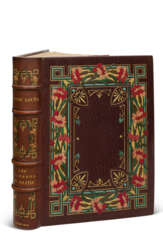

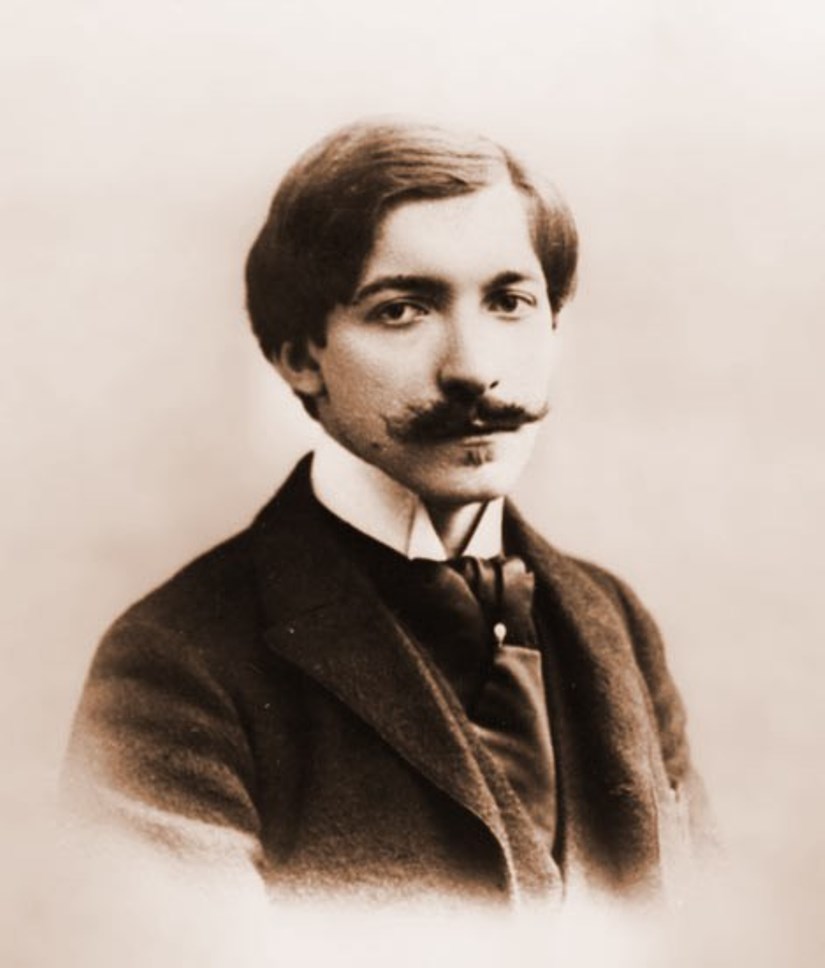
Pierre Louÿs, real name Pierre Félix Louis, was a French poet and writer.
He specialized in erotic and ancient themes in the Art Nouveau style. Louÿs's most famous work is The Songs of Bilitis. It is a collection of erotic poetry with strongly lesbian themes, written in the manner of Sappho. Although Louÿs claimed that these poems had a Greek source, this ultimately proved to be a hoax.





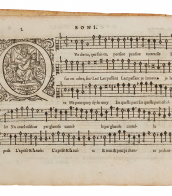
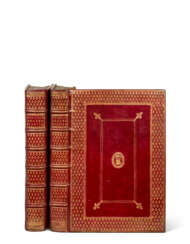
![RONSARD, Pierre de (1524-1585). Les Œuvres de P. de Ronsard Gentilhomme Vandomois, rédigées en [5] tomes… Paris : Gabriel Buon, 1571.](/assets/image/picture_1320810/8727d/c360db2445e1a326472b865e84c6c3291616454000jpg__fix_374_244.jpeg)
![RONSARD, Pierre de (1524-1585). Les Œuvres de P. de Ronsard Gentilhomme Vandomois, rédigées en [5] tomes… Paris : Gabriel Buon, 1571.](https://veryimportantlot.com/assets/image/picture_1320810/8727d/c360db2445e1a326472b865e84c6c3291616454000jpg__fix_374_244.jpeg)
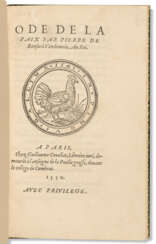



![RONSARD, Pierre de (1524-1585). Le Bocage de P. de Ronsard, Vandomoys, dédié à P. de Paschal, du bas païs de Languedoc. [Précédé de, du même :] Les Quatre premiers livres des Odes de P. de Ronsard, Vandomois, Dé](/assets/image/picture_1320816/c9d2e/4ef945702ae8a076923b4dfbf2c39f161616454000jpg__fix_374_244.jpeg)
![RONSARD, Pierre de (1524-1585). Le Bocage de P. de Ronsard, Vandomoys, dédié à P. de Paschal, du bas païs de Languedoc. [Précédé de, du même :] Les Quatre premiers livres des Odes de P. de Ronsard, Vandomois, Dé](https://veryimportantlot.com/assets/image/picture_1320816/c9d2e/4ef945702ae8a076923b4dfbf2c39f161616454000jpg__fix_374_244.jpeg)
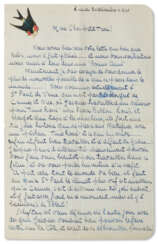


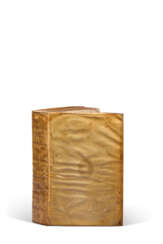

![RONSARD, Pierre de (1524-1585). Exhortation au Camp du Roy pour bien combattre le jour de la bataille. Lyon : Michel Jove, 1558. [réuni avec, du même] Remonstrance au peuple de France. S.l.n.d. [Lyon] : 1563.](/assets/image/picture_1320904/42485/6834427b9028594cc4d365db8a7f168f1616454000jpg__fix_374_244.jpeg)
![RONSARD, Pierre de (1524-1585). Exhortation au Camp du Roy pour bien combattre le jour de la bataille. Lyon : Michel Jove, 1558. [réuni avec, du même] Remonstrance au peuple de France. S.l.n.d. [Lyon] : 1563.](https://veryimportantlot.com/assets/image/picture_1320904/42485/6834427b9028594cc4d365db8a7f168f1616454000jpg__fix_374_244.jpeg)
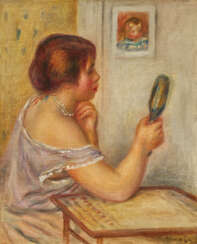

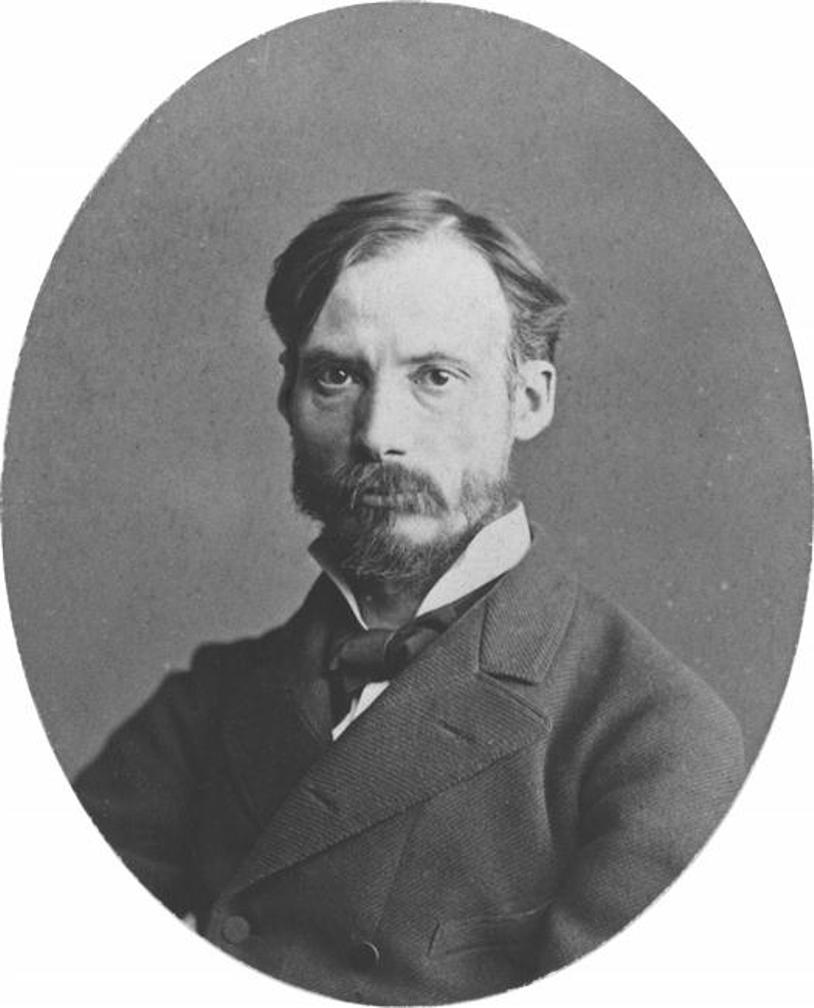
Pierre-Auguste Renoir was a French artist, celebrated as a pivotal figure in the development of the Impressionist movement. Born in Limoges, France, in 1841, Renoir's early experiences in Paris and his apprenticeship as a porcelain painter laid the foundation for his illustrious career in art. His transition to painting was marked by an early fascination with the play of light and color, which became a hallmark of his work. Renoir's paintings are renowned for their vibrant light and saturated color, often focusing on people in intimate and candid compositions. This focus on beauty and a particular affinity for capturing the sensuality of the female form distinguished his work from his contemporaries.
Renoir's contributions to Impressionism were significant, characterized by his use of bright colors and a technique that captured the movement and luminosity of the scene. His evolution as an artist saw him experimenting with a more linear and classical style, especially after his travels to Italy, where he was deeply influenced by the Renaissance masters. Despite facing personal challenges, including severe rheumatoid arthritis in his later years, Renoir's passion for painting never waned. His determination saw him adapting his painting technique to his physical limitations, ensuring that his creative output remained prolific until his death in 1919.
Among Renoir's notable works are "Bal du moulin de la Galette" (1876), "Luncheon of the Boating Party" (1880), and "Girls at the Piano" (1892). These masterpieces exemplify the essence of Impressionist art with their depiction of light, movement, and everyday life. Renoir's works are housed in prestigious museums around the world, serving as a testament to his enduring legacy in the realm of art.
For art collectors and experts, Renoir's oeuvre represents an essential segment of the Impressionist movement, offering insights into the evolution of modern art. His mastery in portraying the beauty of the moment and the depth of human emotion continues to captivate and inspire audiences worldwide.
If you are passionate about collecting or studying the works of Pierre-Auguste Renoir, we invite you to sign up for updates on new product sales and auction events related to this iconic artist. Stay informed about the opportunity to own a piece of art history and deepen your appreciation for the rich tapestry of culture and art that Renoir helped weave.
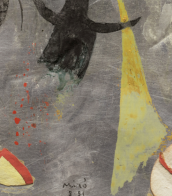

 Пьер Боннар. «Автопортрет», 1889.jpg)
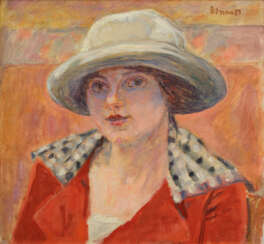
Pierre Bonnard was a distinguished French painter and printmaker, recognized as one of the foremost colorists of modern art. Born on October 3, 1867, in Fontenay-aux-Roses, France, Bonnard initially pursued law studies before embracing his true calling in art. He attended the École des Beaux-Arts and the Académie Julian, where his journey as an artist began in earnest.
Bonnard's art is characterized by its vibrant use of color and the portrayal of intimate, sunlit domestic interiors and gardens. His works often include scenes populated with friends and family, creating a narrative that is both personal and relatable. His distinctive style was influenced by Japanese prints, evident in his use of bold patterns and flat color planes. This influence earned him the nickname "Le Nabi très japonard" among his peers in the Les Nabis group, an avant-garde artists' group he joined in his twenties.
His early work, such as "Woman in Checkered Dress" (1890), showcases the influence of Japanese prints. Bonnard's talent was evident from the beginning of his career, with Claude Roger-Marx noting in 1893 his ability to capture fleeting poses and expressions. His work evolved over time, moving towards a style that resonated with the Intimists' focus on personal and intimate spaces.
Bonnard's wife, Marthe, was a recurring subject in his paintings, often depicted in everyday scenarios. Their relationship, spanning several decades, was a significant influence on his work. His paintings, such as "Dining Room on the Garden" and "Landscape at Le Cannet," demonstrate his mastery in capturing light and color, creating a sense of warmth and intimacy.
Bonnard's work remains influential and celebrated, with his paintings held in esteemed collections worldwide. His ability to transform everyday scenes into vibrant, color-filled canvases has made him a beloved figure in the world of modern art.
Art collectors and experts in the field will find Bonnard's work a study in the transformative power of color and composition. For those interested in staying updated on sales and auction events related to Pierre Bonnard's works, signing up for updates would provide valuable insights into this remarkable artist's enduring legacy.
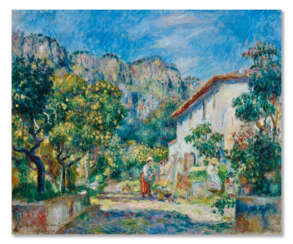

Pierre-Auguste Renoir was a French artist, celebrated as a pivotal figure in the development of the Impressionist movement. Born in Limoges, France, in 1841, Renoir's early experiences in Paris and his apprenticeship as a porcelain painter laid the foundation for his illustrious career in art. His transition to painting was marked by an early fascination with the play of light and color, which became a hallmark of his work. Renoir's paintings are renowned for their vibrant light and saturated color, often focusing on people in intimate and candid compositions. This focus on beauty and a particular affinity for capturing the sensuality of the female form distinguished his work from his contemporaries.
Renoir's contributions to Impressionism were significant, characterized by his use of bright colors and a technique that captured the movement and luminosity of the scene. His evolution as an artist saw him experimenting with a more linear and classical style, especially after his travels to Italy, where he was deeply influenced by the Renaissance masters. Despite facing personal challenges, including severe rheumatoid arthritis in his later years, Renoir's passion for painting never waned. His determination saw him adapting his painting technique to his physical limitations, ensuring that his creative output remained prolific until his death in 1919.
Among Renoir's notable works are "Bal du moulin de la Galette" (1876), "Luncheon of the Boating Party" (1880), and "Girls at the Piano" (1892). These masterpieces exemplify the essence of Impressionist art with their depiction of light, movement, and everyday life. Renoir's works are housed in prestigious museums around the world, serving as a testament to his enduring legacy in the realm of art.
For art collectors and experts, Renoir's oeuvre represents an essential segment of the Impressionist movement, offering insights into the evolution of modern art. His mastery in portraying the beauty of the moment and the depth of human emotion continues to captivate and inspire audiences worldwide.
If you are passionate about collecting or studying the works of Pierre-Auguste Renoir, we invite you to sign up for updates on new product sales and auction events related to this iconic artist. Stay informed about the opportunity to own a piece of art history and deepen your appreciation for the rich tapestry of culture and art that Renoir helped weave.
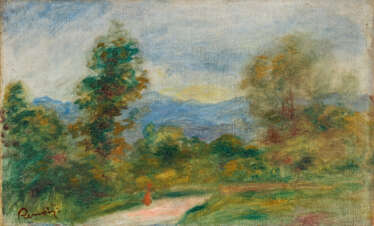

Pierre-Auguste Renoir was a French artist, celebrated as a pivotal figure in the development of the Impressionist movement. Born in Limoges, France, in 1841, Renoir's early experiences in Paris and his apprenticeship as a porcelain painter laid the foundation for his illustrious career in art. His transition to painting was marked by an early fascination with the play of light and color, which became a hallmark of his work. Renoir's paintings are renowned for their vibrant light and saturated color, often focusing on people in intimate and candid compositions. This focus on beauty and a particular affinity for capturing the sensuality of the female form distinguished his work from his contemporaries.
Renoir's contributions to Impressionism were significant, characterized by his use of bright colors and a technique that captured the movement and luminosity of the scene. His evolution as an artist saw him experimenting with a more linear and classical style, especially after his travels to Italy, where he was deeply influenced by the Renaissance masters. Despite facing personal challenges, including severe rheumatoid arthritis in his later years, Renoir's passion for painting never waned. His determination saw him adapting his painting technique to his physical limitations, ensuring that his creative output remained prolific until his death in 1919.
Among Renoir's notable works are "Bal du moulin de la Galette" (1876), "Luncheon of the Boating Party" (1880), and "Girls at the Piano" (1892). These masterpieces exemplify the essence of Impressionist art with their depiction of light, movement, and everyday life. Renoir's works are housed in prestigious museums around the world, serving as a testament to his enduring legacy in the realm of art.
For art collectors and experts, Renoir's oeuvre represents an essential segment of the Impressionist movement, offering insights into the evolution of modern art. His mastery in portraying the beauty of the moment and the depth of human emotion continues to captivate and inspire audiences worldwide.
If you are passionate about collecting or studying the works of Pierre-Auguste Renoir, we invite you to sign up for updates on new product sales and auction events related to this iconic artist. Stay informed about the opportunity to own a piece of art history and deepen your appreciation for the rich tapestry of culture and art that Renoir helped weave.
![[LACLOS, Pierre CHODERLOS de (1741-1803)]](/assets/image/picture_4257800/7113e/63e78d46615ac0577b3cd7cca92f5f7f1729065600jpg__fix_374_244.jpeg)
![[LACLOS, Pierre CHODERLOS de (1741-1803)]](https://veryimportantlot.com/assets/image/picture_4257800/7113e/63e78d46615ac0577b3cd7cca92f5f7f1729065600jpg__fix_374_244.jpeg)
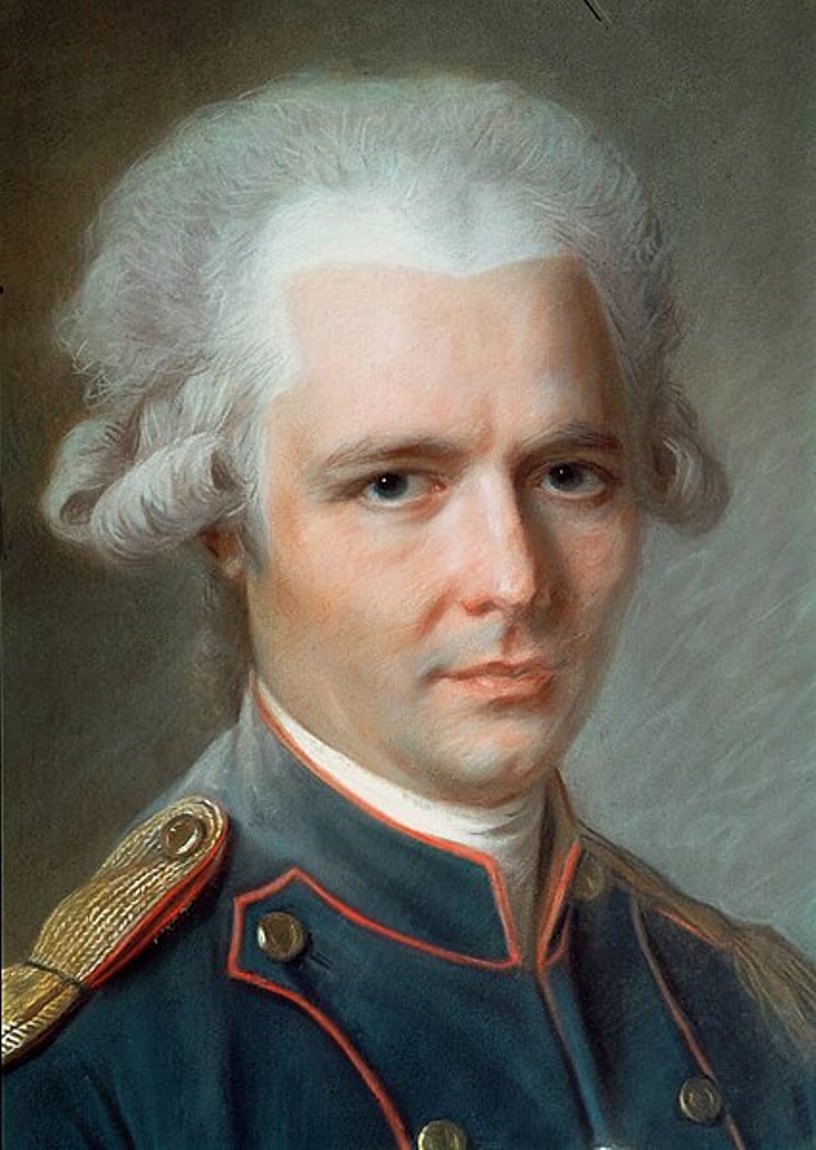
Pierre Choderlos de Laclos, full name Pierre Ambroise François Choderlos de Laclos, was a French politician, inventor, military leader, and writer.
De Laclos initially pursued a military career, but soon abandoned it, deciding that he would achieve greater fame by becoming a writer. He wrote poetry, erotic stories. His first novel "Dangerous Liaisons" (Les Liaisons dangereuses, 1782) immediately made a great impression and caused a mixed reaction in society. This is one of the masterpieces of novelistic literature of the XVIII century, which describes the love affairs of the aristocracy. On its motives, a large number of commentaries were later written, plays were staged and movies were filmed.
Later, Pierre Choderlot de Laclos worked for some time as secretary to the Duke of D'Orleans, writing several treatises on military and political topics. And in 1792 he again joined the army, where under Napoleon he rose to the rank of general, participated in the Rhine and Italian campaigns.
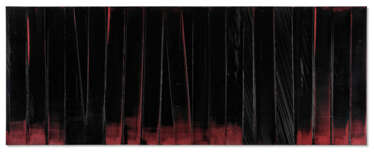

Pierre Soulages was a French painter, printmaker, and sculptor. In 2014, François Hollande described him as "the world's greatest living artist."
Soulages is known as "the painter of black," owing to his interest in the colour "both as a colour and a non-colour. When light is reflected on black, it transforms and transmutes it. It opens a mental field all its own." He saw light as a work material; striations of the black surface of his paintings enable him to reflect light, allowing the black to come out of darkness and into brightness, thus becoming a luminous colour.
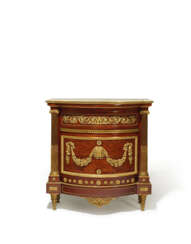

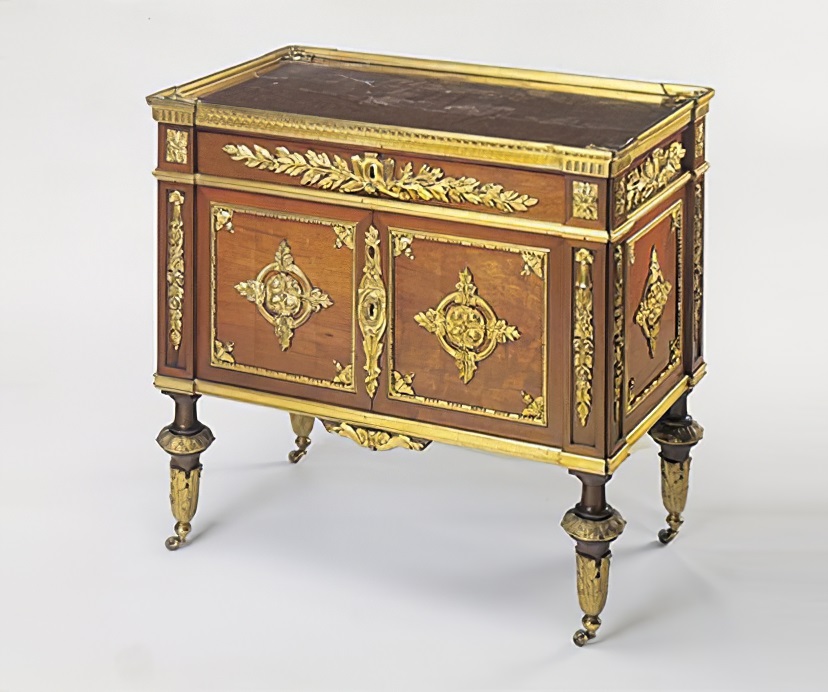
Pierre Garnier was a French furniture maker and one of the greatest cabinetmakers of his time.


Pierre-Auguste Renoir was a French artist, celebrated as a pivotal figure in the development of the Impressionist movement. Born in Limoges, France, in 1841, Renoir's early experiences in Paris and his apprenticeship as a porcelain painter laid the foundation for his illustrious career in art. His transition to painting was marked by an early fascination with the play of light and color, which became a hallmark of his work. Renoir's paintings are renowned for their vibrant light and saturated color, often focusing on people in intimate and candid compositions. This focus on beauty and a particular affinity for capturing the sensuality of the female form distinguished his work from his contemporaries.
Renoir's contributions to Impressionism were significant, characterized by his use of bright colors and a technique that captured the movement and luminosity of the scene. His evolution as an artist saw him experimenting with a more linear and classical style, especially after his travels to Italy, where he was deeply influenced by the Renaissance masters. Despite facing personal challenges, including severe rheumatoid arthritis in his later years, Renoir's passion for painting never waned. His determination saw him adapting his painting technique to his physical limitations, ensuring that his creative output remained prolific until his death in 1919.
Among Renoir's notable works are "Bal du moulin de la Galette" (1876), "Luncheon of the Boating Party" (1880), and "Girls at the Piano" (1892). These masterpieces exemplify the essence of Impressionist art with their depiction of light, movement, and everyday life. Renoir's works are housed in prestigious museums around the world, serving as a testament to his enduring legacy in the realm of art.
For art collectors and experts, Renoir's oeuvre represents an essential segment of the Impressionist movement, offering insights into the evolution of modern art. His mastery in portraying the beauty of the moment and the depth of human emotion continues to captivate and inspire audiences worldwide.
If you are passionate about collecting or studying the works of Pierre-Auguste Renoir, we invite you to sign up for updates on new product sales and auction events related to this iconic artist. Stay informed about the opportunity to own a piece of art history and deepen your appreciation for the rich tapestry of culture and art that Renoir helped weave.

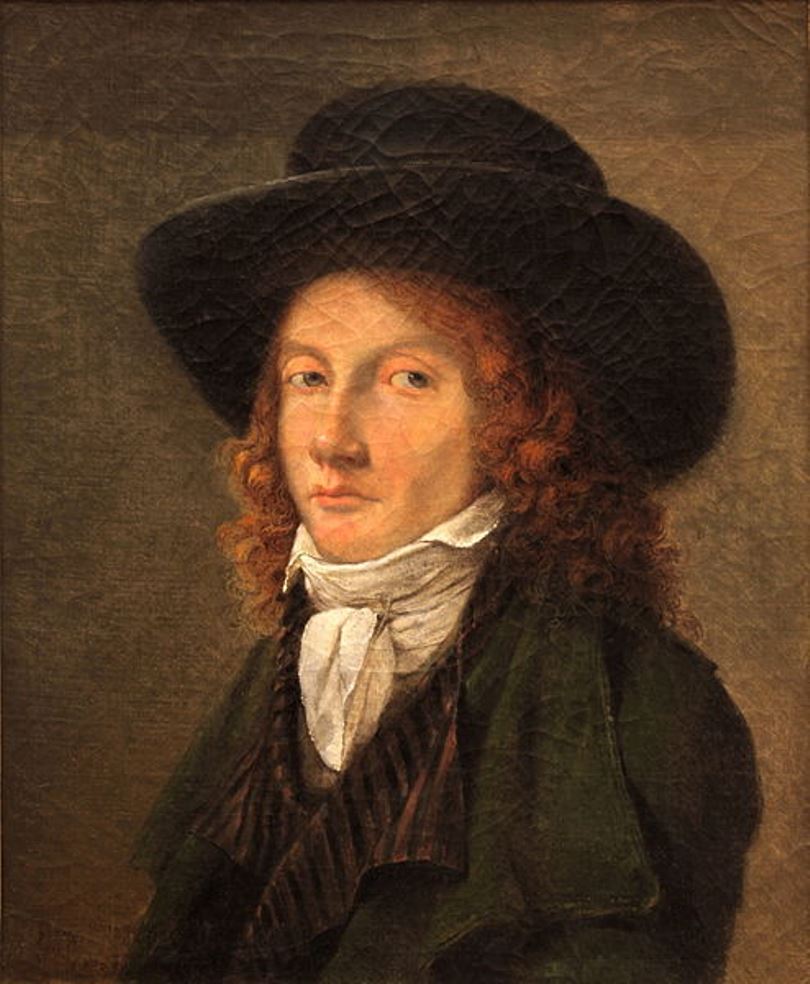


Pierre Bonnard was a distinguished French painter and printmaker, recognized as one of the foremost colorists of modern art. Born on October 3, 1867, in Fontenay-aux-Roses, France, Bonnard initially pursued law studies before embracing his true calling in art. He attended the École des Beaux-Arts and the Académie Julian, where his journey as an artist began in earnest.
Bonnard's art is characterized by its vibrant use of color and the portrayal of intimate, sunlit domestic interiors and gardens. His works often include scenes populated with friends and family, creating a narrative that is both personal and relatable. His distinctive style was influenced by Japanese prints, evident in his use of bold patterns and flat color planes. This influence earned him the nickname "Le Nabi très japonard" among his peers in the Les Nabis group, an avant-garde artists' group he joined in his twenties.
His early work, such as "Woman in Checkered Dress" (1890), showcases the influence of Japanese prints. Bonnard's talent was evident from the beginning of his career, with Claude Roger-Marx noting in 1893 his ability to capture fleeting poses and expressions. His work evolved over time, moving towards a style that resonated with the Intimists' focus on personal and intimate spaces.
Bonnard's wife, Marthe, was a recurring subject in his paintings, often depicted in everyday scenarios. Their relationship, spanning several decades, was a significant influence on his work. His paintings, such as "Dining Room on the Garden" and "Landscape at Le Cannet," demonstrate his mastery in capturing light and color, creating a sense of warmth and intimacy.
Bonnard's work remains influential and celebrated, with his paintings held in esteemed collections worldwide. His ability to transform everyday scenes into vibrant, color-filled canvases has made him a beloved figure in the world of modern art.
Art collectors and experts in the field will find Bonnard's work a study in the transformative power of color and composition. For those interested in staying updated on sales and auction events related to Pierre Bonnard's works, signing up for updates would provide valuable insights into this remarkable artist's enduring legacy.
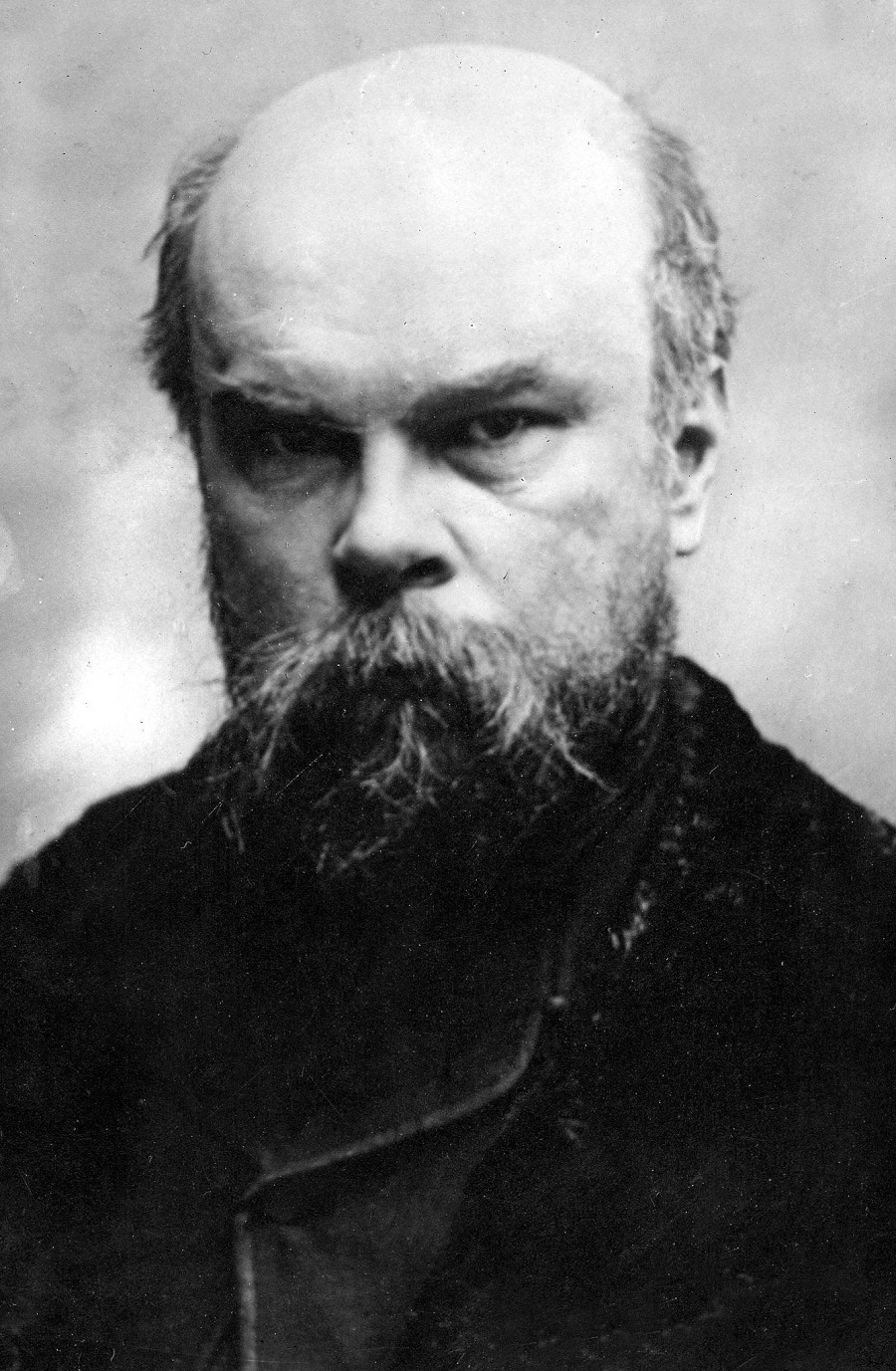
Paul Marie Verlaine was a French poet associated with the Symbolist movement.
Paul Verlaine's poetic style was characterized by musicality, evocative imagery and an exploration of themes such as love, beauty, melancholy and spirituality. His poems often conveyed a sense of heightened emotionality and expressed a deep sensitivity to the human experience.
Verlaine's work was a departure from the more structured and formal poetry of the previous era. He chose a more fluid and free style of verse, experimenting with rhythm, sound and imagery. His poems were often dreamlike, blurring the boundaries between reality and imagination.


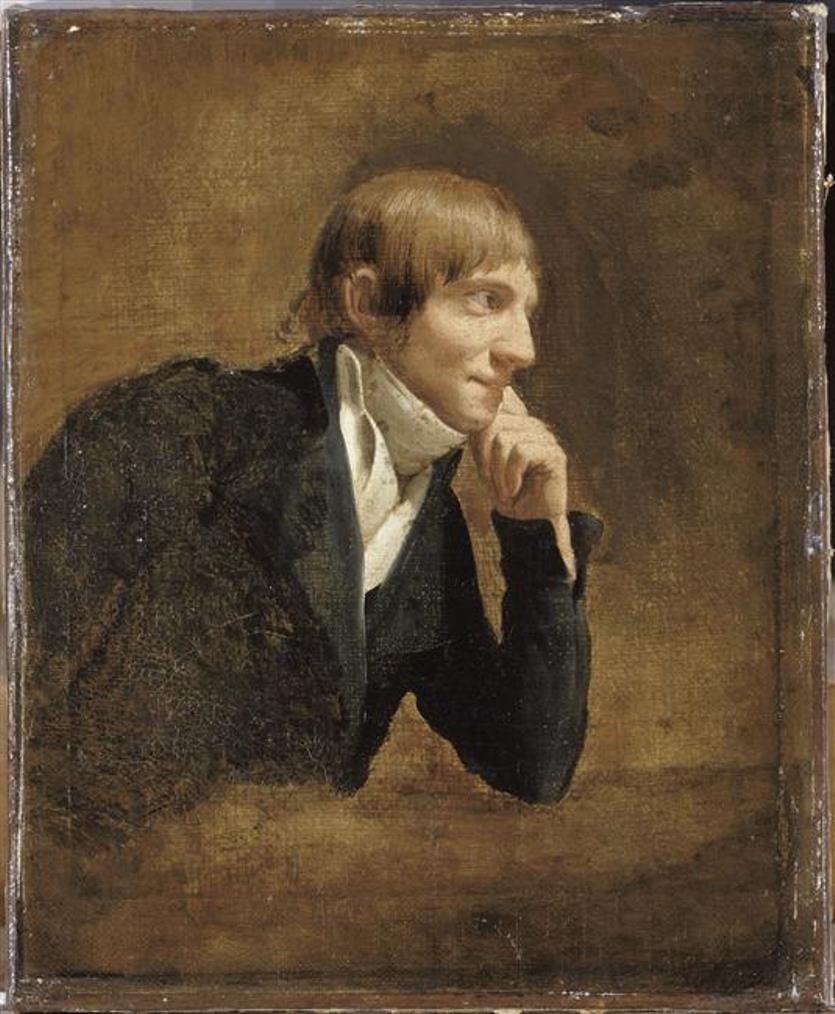
Pierre-Joseph Redouté was a French artist and botanist of Belgian origin, a royal painter and lithographer.
Redouté traveled extensively from his youth and carefully studied the pictorial art of various masters, but his main interest eventually became botanical illustration. He gained access to the Botanical Gardens in Paris and the botanical library. Over time, the talented Redouté became a very popular and successful painter of flowers and plants, publishing more and more albums.
In the 1790s, Redouté was internationally recognized as one of the most popular floral artists in the world. His depictions of plants are still as fresh as if they had just been painted. His album of watercolor illustrations, The Lilies, is one of the most expensive printed books in history.
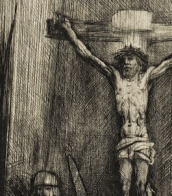


Pierre Bonnard was a distinguished French painter and printmaker, recognized as one of the foremost colorists of modern art. Born on October 3, 1867, in Fontenay-aux-Roses, France, Bonnard initially pursued law studies before embracing his true calling in art. He attended the École des Beaux-Arts and the Académie Julian, where his journey as an artist began in earnest.
Bonnard's art is characterized by its vibrant use of color and the portrayal of intimate, sunlit domestic interiors and gardens. His works often include scenes populated with friends and family, creating a narrative that is both personal and relatable. His distinctive style was influenced by Japanese prints, evident in his use of bold patterns and flat color planes. This influence earned him the nickname "Le Nabi très japonard" among his peers in the Les Nabis group, an avant-garde artists' group he joined in his twenties.
His early work, such as "Woman in Checkered Dress" (1890), showcases the influence of Japanese prints. Bonnard's talent was evident from the beginning of his career, with Claude Roger-Marx noting in 1893 his ability to capture fleeting poses and expressions. His work evolved over time, moving towards a style that resonated with the Intimists' focus on personal and intimate spaces.
Bonnard's wife, Marthe, was a recurring subject in his paintings, often depicted in everyday scenarios. Their relationship, spanning several decades, was a significant influence on his work. His paintings, such as "Dining Room on the Garden" and "Landscape at Le Cannet," demonstrate his mastery in capturing light and color, creating a sense of warmth and intimacy.
Bonnard's work remains influential and celebrated, with his paintings held in esteemed collections worldwide. His ability to transform everyday scenes into vibrant, color-filled canvases has made him a beloved figure in the world of modern art.
Art collectors and experts in the field will find Bonnard's work a study in the transformative power of color and composition. For those interested in staying updated on sales and auction events related to Pierre Bonnard's works, signing up for updates would provide valuable insights into this remarkable artist's enduring legacy.



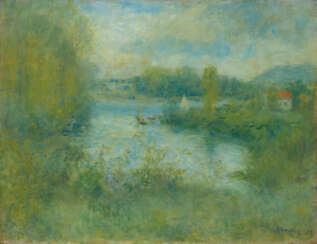

Pierre-Auguste Renoir was a French artist, celebrated as a pivotal figure in the development of the Impressionist movement. Born in Limoges, France, in 1841, Renoir's early experiences in Paris and his apprenticeship as a porcelain painter laid the foundation for his illustrious career in art. His transition to painting was marked by an early fascination with the play of light and color, which became a hallmark of his work. Renoir's paintings are renowned for their vibrant light and saturated color, often focusing on people in intimate and candid compositions. This focus on beauty and a particular affinity for capturing the sensuality of the female form distinguished his work from his contemporaries.
Renoir's contributions to Impressionism were significant, characterized by his use of bright colors and a technique that captured the movement and luminosity of the scene. His evolution as an artist saw him experimenting with a more linear and classical style, especially after his travels to Italy, where he was deeply influenced by the Renaissance masters. Despite facing personal challenges, including severe rheumatoid arthritis in his later years, Renoir's passion for painting never waned. His determination saw him adapting his painting technique to his physical limitations, ensuring that his creative output remained prolific until his death in 1919.
Among Renoir's notable works are "Bal du moulin de la Galette" (1876), "Luncheon of the Boating Party" (1880), and "Girls at the Piano" (1892). These masterpieces exemplify the essence of Impressionist art with their depiction of light, movement, and everyday life. Renoir's works are housed in prestigious museums around the world, serving as a testament to his enduring legacy in the realm of art.
For art collectors and experts, Renoir's oeuvre represents an essential segment of the Impressionist movement, offering insights into the evolution of modern art. His mastery in portraying the beauty of the moment and the depth of human emotion continues to captivate and inspire audiences worldwide.
If you are passionate about collecting or studying the works of Pierre-Auguste Renoir, we invite you to sign up for updates on new product sales and auction events related to this iconic artist. Stay informed about the opportunity to own a piece of art history and deepen your appreciation for the rich tapestry of culture and art that Renoir helped weave.
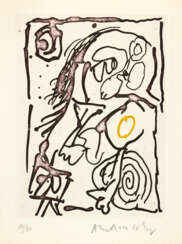

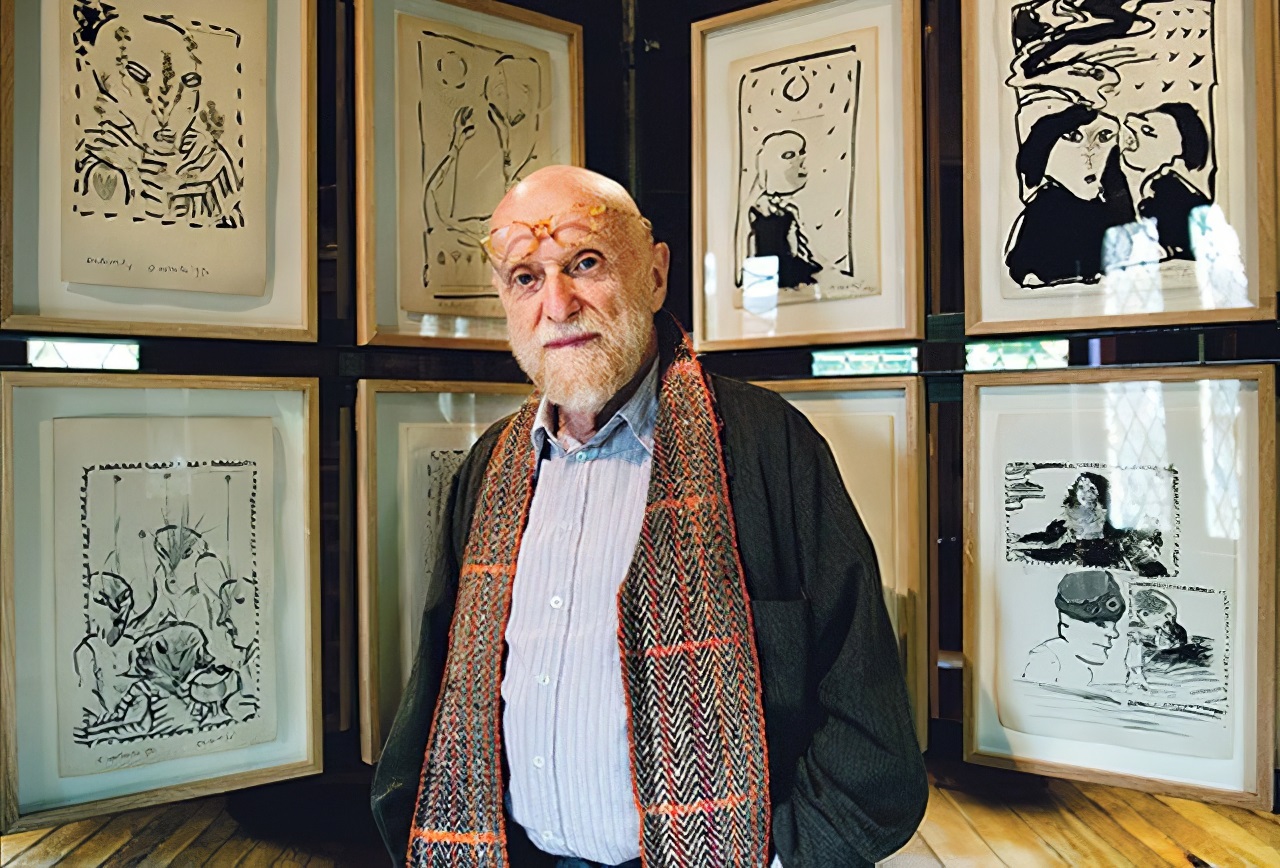
Pierre Alechinsky is a Belgian artist. He has lived and worked in France since 1951. His work is related to tachisme, abstract expressionism, and lyrical abstraction.